Requirements for Change
Understanding resistance to change informs how we can create our own caring community cultures

Many of us would agree that the controlling and destructive 'globalist culture' being forced upon us without our say is no longer tenable, sustainable or desirable. It represents an existential threat to caring and conscientious human beings who want the best for everyone and wish for peace in this world.
In our bid to create the changes we want to see, it is important to understand that the greater the change required, the greater the resistance will be towards it.
This is because human beings are hard-wired to resist change due to a part of our brain known as the 'amygdala'. This forms the core of a neural system processing fearful or threatening stimuli and is responsible for the detection of threat and the activation of fear-related behaviours. It is why many people, when presented with a new initiative or idea - however good the long-term benefits are - tend to resist it.
This ties in with a human phenomenon known as 'loss aversion' whereby the power of loss is considered to be greater than the power of gain [Kahneman & Tversky, 1979]. It is why issuing penalties in a work environment (for example) is considered to be more effective than providing incentives that reward and motivate people for doing 'the right thing'.
The end of an illusion
Fromm reflects on outcomes of the 'Great Promise' from the Industrial Revolution (steam) - 1780 to 1840 through to the Scientific/Technical Revolution (electric) - 1940 to 1970. The same outcomes can be applied to the Digital Revolution (electronic) which started in the early 70s and continues unabaited.
Fromm states that: 'The Great Promise of Unlimited Progress was the promise of domination of Nature, of material abundance, of the greatest happiness for the greatest number, and of unimpeded personal freedom which has sustained the hopes and faith of generations since the beginning of the Industrial Age.'
In reality, Fromm concludes that ever growing numbers of people are becoming aware that:
- Unrestricted satisfaction of all desires is not conducive to wellbeing or happiness;
- The dream of being independent masters of our lives ended when we became cogs in the bureaucratic machine with our thoughts, feelings and tastes manipulated by government and industry, and the mass communications they control;
- Economic progress has remained restricted to the rich nations, and the gap between rich and poor nations has ever widened;
- Technical [and now technological] progress itself has created ecological danger and the dangers of nuclear war.
I am sure this rings a bell and for many of us it's more like alarm bells ringing. As main stream media continues to perpetuate the rhetoric of this ever elusive 'Great Promise', our dissatisfaction and concern with the status quo exponentially increases.
Recognising societal trauma
Fromm makes an excellent point when he says we not only have to understand the problem, we need to be aware of the generational trauma caused through each of these 'revolutions' and that this failure continues today, creating ever-increasing threats to our quality of life and the continuation of life itself.
A key priority for the Community Assembly of the British Isles (CABI) and Assemblies of the World (AOW) therefore is to let people know there is an alternative and that we are here to welcome fellow human beings into the fold. The aim is for us to support each other and work together to make the transition from the current domineering culture of 'having' to the caring culture of 'being' that we so desire.
Creating 'island' cultures
Having realised we are living in a hostile environment and that we want this to change, one way is to develop 'island cultures' that follow the principles of 'self-organisation ' and 'self-regulation' by which group members take responsibility for their attitudes and behaviours towards and within the group.
This establishes 'culture' as a psychological contract which is honoured by all sides because it is perceived to be fair by everyone and has everyone's best interests at heart.
This aligns with our vision for Community Assemblies and Community Assembly Hubs whereby 'motivating and supportive community cultures' are set up as 'island cultures' where self-regulating individuals can thrive.
of freedom and peace are not only intellectual achievements
but spiritual and moral achievements as well.
Erich Fromm, To Have Or To Be,
Steps to change
In our quest for health, happiness, peace, freedom and prosperity we need to do all we can to make sense of the world and our part in it.
With this in mind, we need to be aware that any form of change involves a period of transition to achieve individual and collective transformation. The following steps provide a guideline that we can all follow:
- Recognise there is a problem (even if you believe you are not part of it and have made the effort to change).
- Recongise that symptoms are the result of an underlying cause so that you can make an accurate diagnosis of the problem using truthful knowledge acquired.
- Understand reasons for resistance to change (fear, loss, trauma) and what needs to be done both personally and collectively to overcome them.
- Identify solutions from a micro (self) and macro (community) perspective, make a meaningful commitment to change and create a realistic plan of action.
- Take the required action to remedy the causal factors which led to the problem and monitor results as a process of continuous improvement.
Reaping the rewards
It is clear it is no longer an option for us to relinquish our freedom, peace and future happiness for the 'convenience' of having everything done for us.
The time has come for us to join together to take charge of the situation. It means making a commitment to the changes we need to make for ourselves, our communities and humanity as a whole.
Only then can we reap the rewards and benefits of our good intentions.
Sue Cartwright AInstAM
Community Assembly of the British Isles
Editor
Further Reading
A Community Assembly in Action - Sue Cartwright
Creating A Community Assembly - Nick Kitchen
Seeing The Light - Nick Kitchen
The Future Is Us! - Nick Kitchen
The Science of Natural Law - Sue Cartwright
The Truth About Knowledge - Sue Cartwright
To 'Have' Or To 'Be' - Erich Fromm
About Sue
Sue is Founding Facilitator of the Community Assembly of Devon, and editor/designer of the Community Assembly of the British Isles website and blog.
If you enjoyed this post, please share or forward to a friend - thank you!

Guided by Natural Law
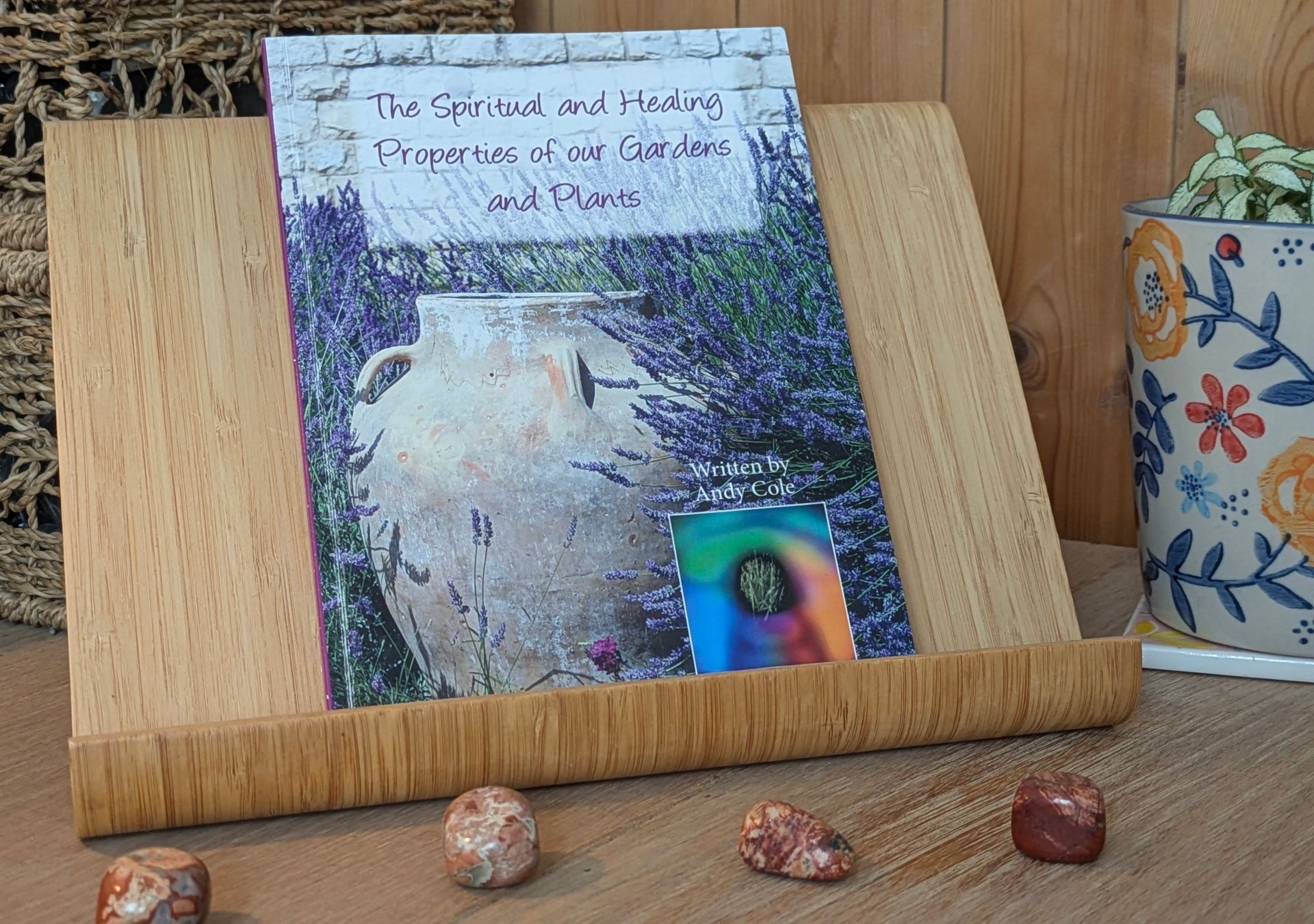
Spiritual and Healing Properties of our Gardens and Plants by Andy Cole LCHI
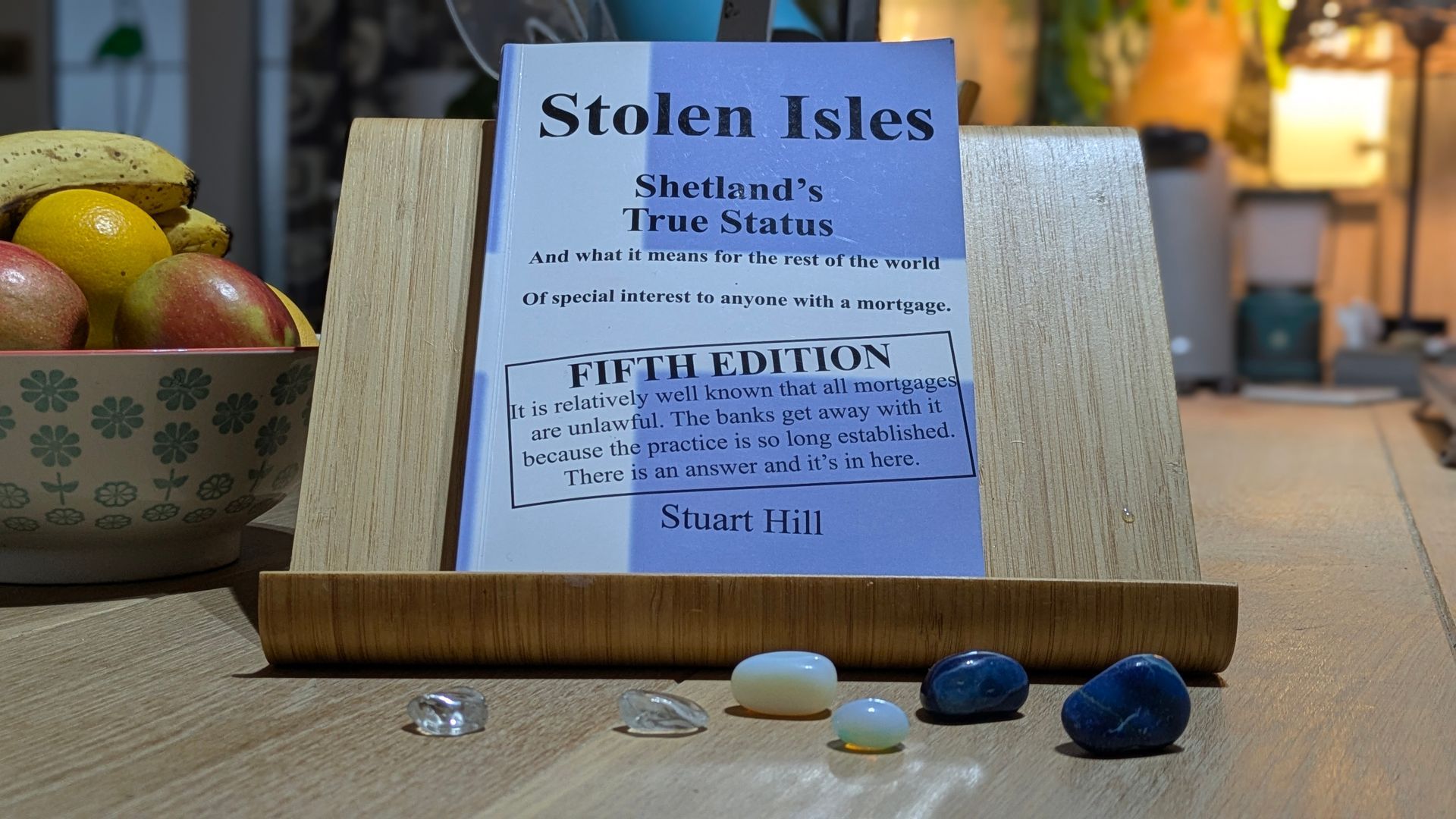
Stolen Isles by Stuart Hill

Joy in Crisis by Swarupa

Seven Sacred Grandfather Teachings

History of the Stannary System (Kernow Assembly and Korts Ownder)

Our Aurora Network

Our Sovereign Future

Who's Jurisdiction - An Interview with Wiremu Williamson