A Community Perspective (for the highest good of all)
Communities are more important now than they have ever been
The study with 1,200 adult respondents revealed ten (top) reasons for 'community decline' as indicated by 43% of respondents who said they do not feel part of their local community at all.
Top ten reasons for community dis-engagement
- People are taking less pride in their community.
- No facilities for people.
- Not enough government or local council funding.
- Not enough investment in green spaces or the environment.
- People are struggling and so becoming more insular.
- It’s too expensive to live there so people are leaving.
- Work and employment opportunities are leaving the area.
- Not enough housing.
- Young people are leaving the community.
- Fewer people are volunteering in the community.
I think many of us agree that these problems have been caused largely from our dependency on an increasingly failing government that seems only to serve the privileged few and not we the people as it should do. Many unlawful 'obligations' are forced on people without their prior knowledge or consent with increasing top-down control and standards increasingly in decline. This correlates with the reported 'decline' of the community. Isn't it a case of when a government stops working for its people, the people need to start working for each other and learn how to do things for themselves?
If we take the above list of things that make people feel most alienated from their communities and turn it around, we can create a compelling list of values and objectives that would address these issues from a community perspective . This could represent a benchmark for developing community services and support networks based on the current and long-term needs of a community at any given time. As a direct 'translation' from the above 'reasons for dis-engagement', a common standard based on real needs would look something like this:
Top ten reasons for building back our communities
- Everyone feels a sense of pride in their community.
- There are free and cooperative services available for everyone in need of support.
- We raise funds through our Private Members Association and creative pursuits.
- We all take care to look after ourselves, our immediate and the wider natural environment.
- We reach out to anyone who lives on their own and make them feel they are welcome.
- We provide shelter, healing, food and warmth for people in need as a basic human right.
- We provide training, workshops and a whole range of activities and livelihoods to explore.
- We are able to secure land, reclaim abandoned homes and provide resources for Tiny Homes.
- We encourage all young people to lead and/or help with projects and provide any required training.
- We have a rota for voluntary work and services provided at the Hub and in the community.
What a difference!
It represents a tremendous challenge, one which we are starting to make in-roads into, remembering that with these kind of values and objectives in place, the positive outcomes of healthy communities mentioned above, where people feel a sense of belonging, safety and friendship by being engaged in their local community, would become the norm. Not forgetting that in this kind of environment, everyone would be made to feel welcome so that people would want to be part of it.
I wanted to compare the above findings to the standard definition of 'community' to see if any of this matches up. I was shocked to find these woeful attempts in the current online Collins Dictionary:
All the people who live in a particular place or area; a group of people who are similar in some way; friendship between different people or groups, and a sense of having something in common.
How vague and nondescript these definitions are! Completely devoid of any real meaning and lacking in any reference to a community's significance to local people, the importance of its heritage and local traditions, or the ingenuity demonstrated by healthy communities in the things they do and the things they put their faith into . It brings to mind an old African proverb:
It takes a village to raise a child.
Or is it because the powers that be want us to forget so that we become ever more dependent on them?
It may or may not be so but I hope everyone has accumulated and can bring to mind, fond memories of feeling part of a safe community, or being rescued by a benevolent one, or being made to feel welcome by a friendly one.
This sense of community brings to heart and mind the generosity of spirit and characters I remember from my childhood days. I was fortunate to spend the very first years of my life in the heart of a working class community in the Midlands. I can still feel the memories of being walked under the trees in the local park, going to tea with the aunties every week and being surrounded by the sound of family and friends chatting, laughing and putting the world to rights.
It was a long time ago but I remember everyone knowing everyone. If anyone needed anything (or something went wrong), there was always someone being sent for, fetched or turning up to lend a hand. It felt safe for this reason, especially as we (or my family back then) had to do so much more with so much less. I didn't understand it then but in my later years I feel very grateful for all the things I had to learn and to have been part of something so special.
Continuing my search for a suitable definition of 'community', out of interest, I looked up the word in my 2003 Oxford Dictionary which provided a slightly better option as follows:
The people of a district or country considered collectively, especially in the context of social values and responsibilities; the condition of sharing or having certain attitudes and interests in common.
And I was not surprised to discover that the reported 'community decline' over the years seems to have resulted in changes being made to the standard definition of what a community should be and the benefits a healthy community can bring.
A community is a superlative diverse multi-culture where people, land and nature are valued, cared for and nurtured according to Natural Law so that everyone (without exception) is supported to realise their spiritual potential, express themselves creatively, make a meaningful contribution and become their best selves.
And in the words of my late Dad, Jeff Cartwright, the premise of his book, The Unisey, published in 1979:
We now have all the intelligence and resources we need to create a beautiful life on Earth for all people .
It starts with us and our members are working hard to make it happen. Its about time, knowing that when we work together we can increasingly turn this reported community decline around.
Sue Cartwright AInstAM
Community Assembly of the British Isles
Editor
Further Reading
A Community Hub - Sue Cartwright
A Community Assembly - Sue Cartwright
A Meeting of Minds in Norfolk - Sue Cartwright
The Wisdom of Wolves - Elli H Radinger
Sowing the Seeds of Freedom (Oneness v The 1% by Vandana Shiva - Anita Narayan
About Sue
Sue is Founding Facilitator of the Community Assembly of Devon, and editor/designer of the Community Assembly of the British Isles website and blog.
If you enjoyed this post, please share or forward to a friend - thank you!
Guided by Natural Law
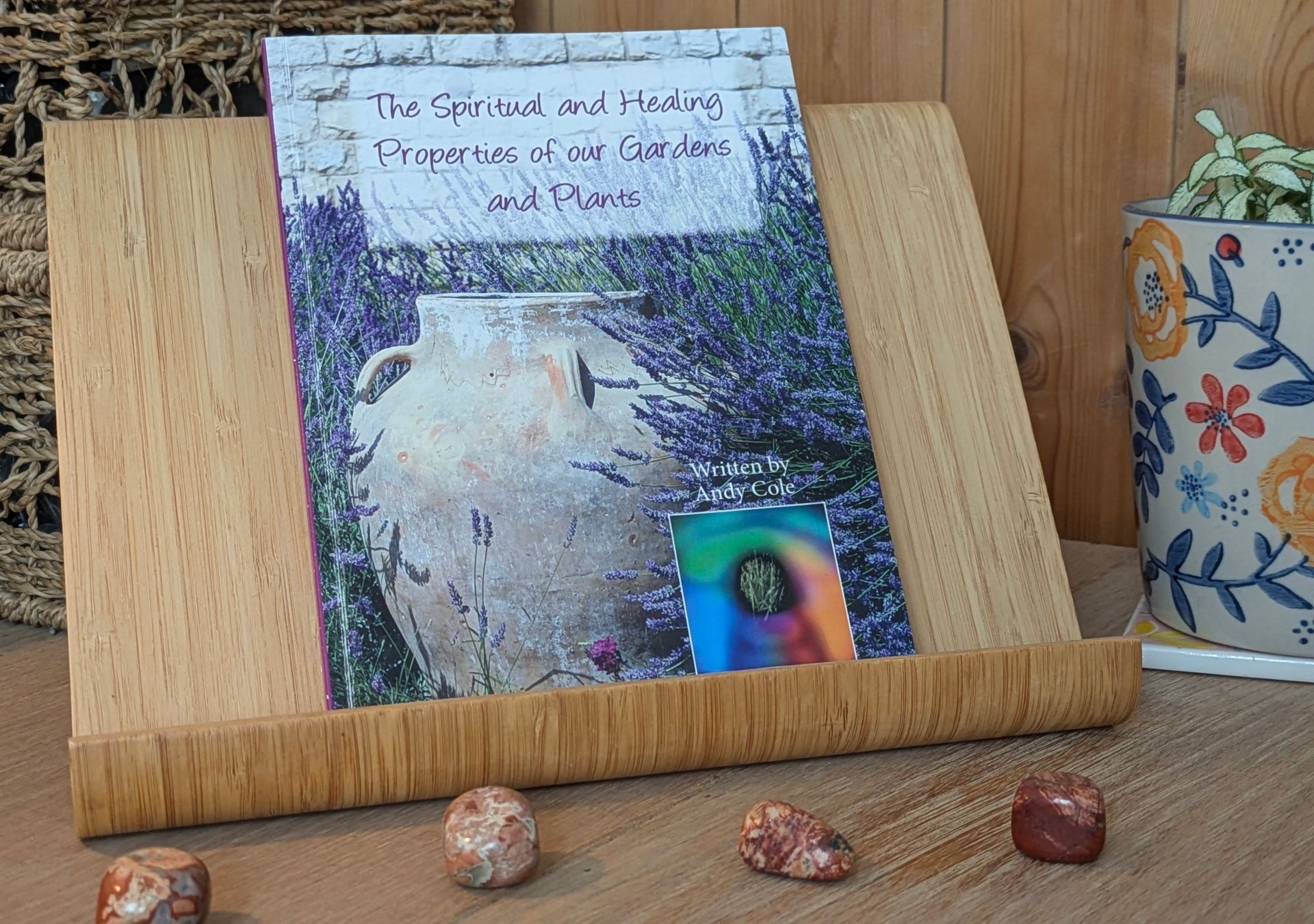
Spiritual and Healing Properties of our Gardens and Plants by Andy Cole LCHI
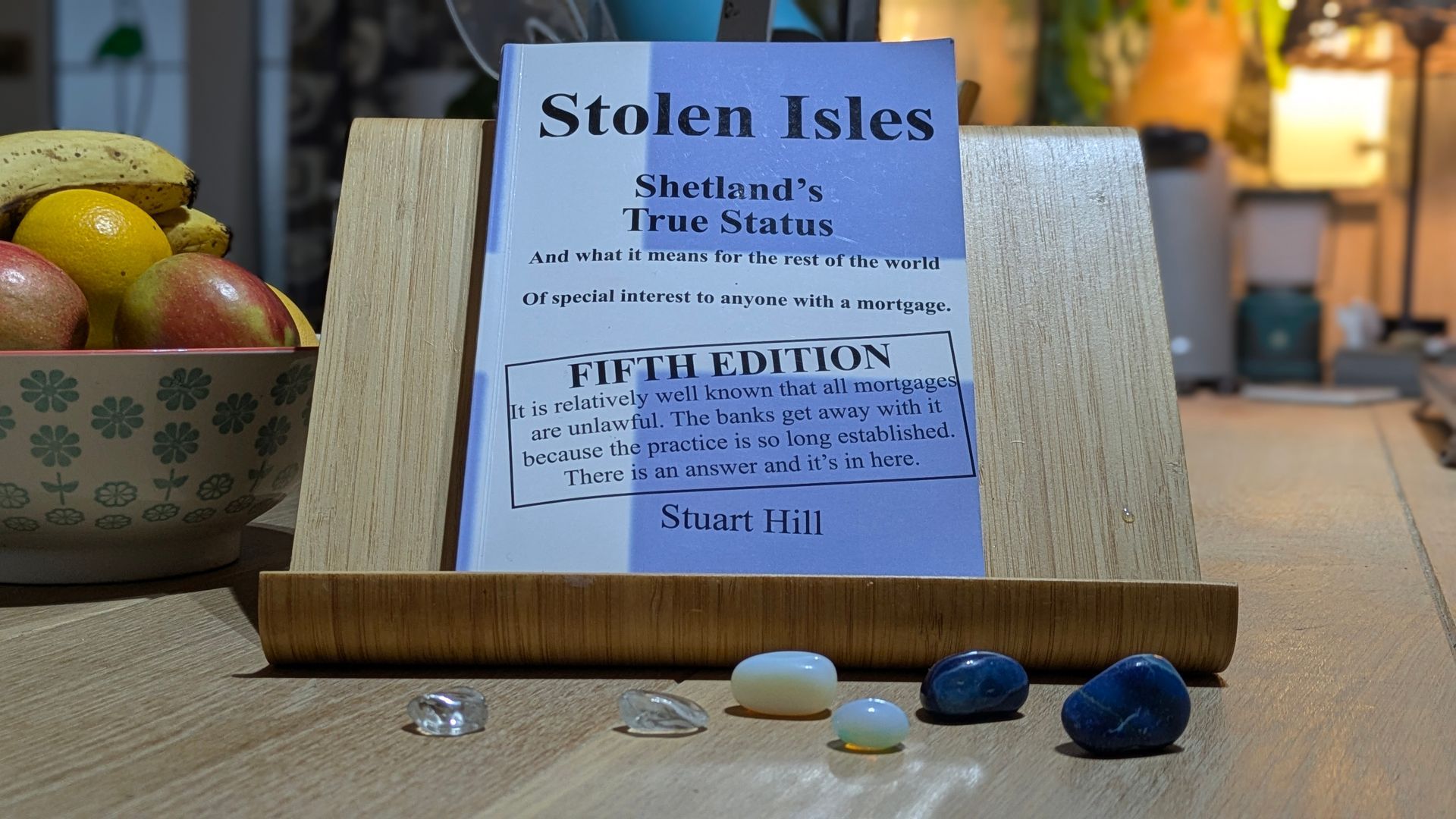
Stolen Isles by Stuart Hill
Joy in Crisis by Swarupa

Seven Sacred Grandfather Teachings
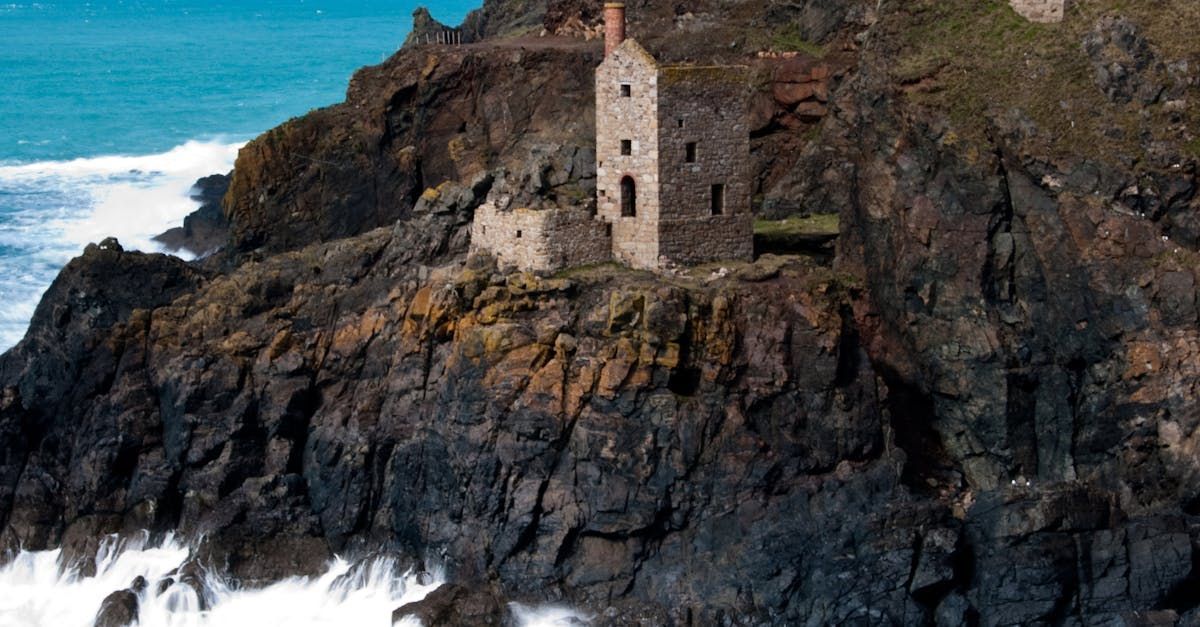
History of the Stannary System (Kernow Assembly and Korts Ownder)

Our Aurora Network

Our Sovereign Future
Who's Jurisdiction - An Interview with Wiremu Williamson