The Book of Beautiful Questions by Warren Berger
Questions that lead to deeper understanding and better decision-making
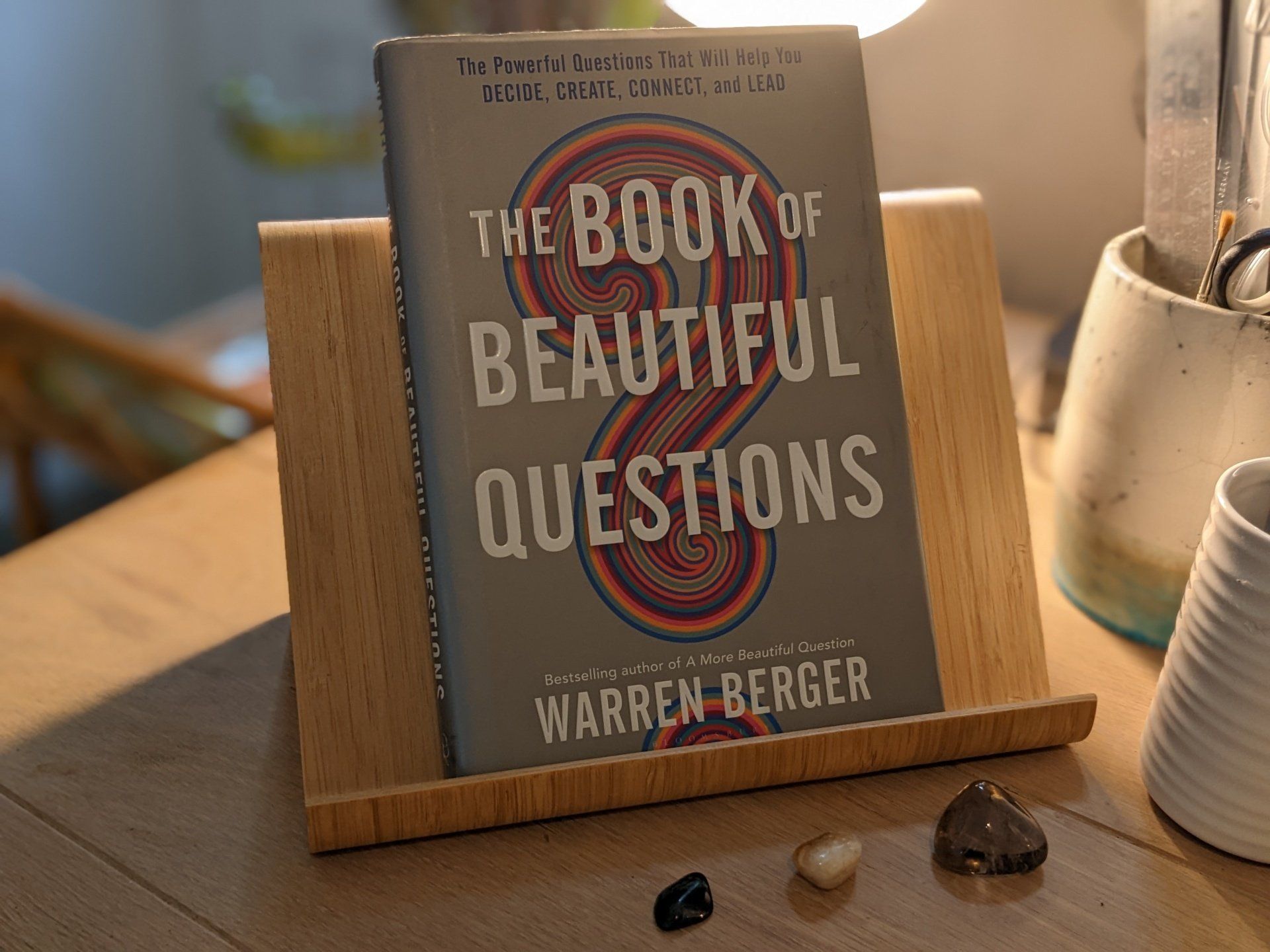
The Book of Beautiful Questions by 'questionologist' Warren Berger shows us how to ask questions that will guide us to better decision-making and a more productive course of action. This includes a range of carefully crafted questions that can be used for decision-making, creativity, connection and leadership by helping us to remove biases, uncertainty, creative blocks and emotional reactions.
Every day as we go about our lives we are required to ask questions in order to avoid making incorrect assumptions and to help us make the right decisions in life. By asking pertinant questions about a particular subject, we can gather invaluable information that we might not otherwise have discovered. Curiosity is a fundamental requirement for gaining knowledge and questions are one of the tools we use to assist us.
Why asking questions is important
The mechanism of asking questions to gain knowledge and information is highly apparent in children where studies have shown that 4-year-olds ask as many as 200 to 300 questions a day. Warren confirms in his book that, according to research by Harvard Child Psychologist, Paul Harris, children ask an average of 40,000 questions between the ages of 2 and 5.
If only adults held onto this trait of asking the important 'why' questions. It would lead to a much better understanding of things and increase our confidence in decision-making. It would also make us less of a 'target' when it comes to being sold spurious ideas, ideologies and things that may not turn out to be very good for us in the long run.
Reasons why we stop asking
For any of us who have fallen into the trap of 'not asking', relying too much on existing knowledge and habits rather than continuing to inquire and learn, this book is invaluable. I have honed in on a breakdown of some of the most relevant 'decision-making' questions for the purposes of this post to help us get our powers of 'questioning insight' up and running again.
Questioning insight
We all have to make decisions every day. Some we make automatically and some require some thought. When we know that our brains are hard-wired to take the shortest route to decision-making, we can see how we can easily surrender a seemingly costly or difficult thought process to a quick decision so that we can get on with things and move on.
This is why we have to be careful not to make important decisions on the basis of memory, main-stream propoganda or preconceived ideas. With the rate of change in the world and so much to take into consideration, 'questioning insight' becomes ever more necessary. When we fall into the trap of 'not asking' because it's easier not to, there is often an underlying reason such as a fear of the unknown, too much focus on the wrong information, being overconfident about 'forecasts' and/or favouring information that confirms our pre-existing assumptions and biases.
Decision-making questions
Here are some challenging questions to ask before making important decisions and as a means to reassess decisions we make automatically that may not have been (at least until recently) given much thought:
Biases and beliefs
What am I inclined to believe on this particular issue?
Why do I believe what I believe?
What would I like to be true?
What if the opposite is true?
Intellectual humility
Would I rather be right, or would I rather understand?
Do I solicit and seek out opposing views?
Do I enjoy the 'pleasant surprise' of discovering I am mistaken?
Bullsh** detection
How strong is this evidence?
What am I not being told?
Does it logically follow?
What is the opposing view?
Which of the conflicting views has more evidence behind it?
Overcoming fear or failure
What would I try if I knew I could not fail?
What is the worst that could happen?
If I did fail, what would be the likely outcome (and how would I recover)?
What if I succeed - what would that look like?
How can I take the first small step?
In conclusion
It takes time to go through the what, why, where and how questions in various scenerios but we can all see how this is helpful to us. Taking a step back to apply some 'critical thinking' - especially when we 'feel' that something might not be quite right - cannot only serve us in saving precious time, money and potential embarassment - it can also serve in helping to save lives.
All in all, in our quest to bring the world to peace, truth and optimum health, we must not be afraid to ask the right questions and to make 'curiosity' our new best friend.
Sue Cartwright AInstAM
Community Assembly of the British Isles
Editor
About Sue
Sue is Founding Facilitator of the Community Assembly of Devon, and editor/designer of the Community Assembly of the British Isles website and blog.
If you enjoyed this post, please share or forward to a friend - thank you!
Guided by Natural Law
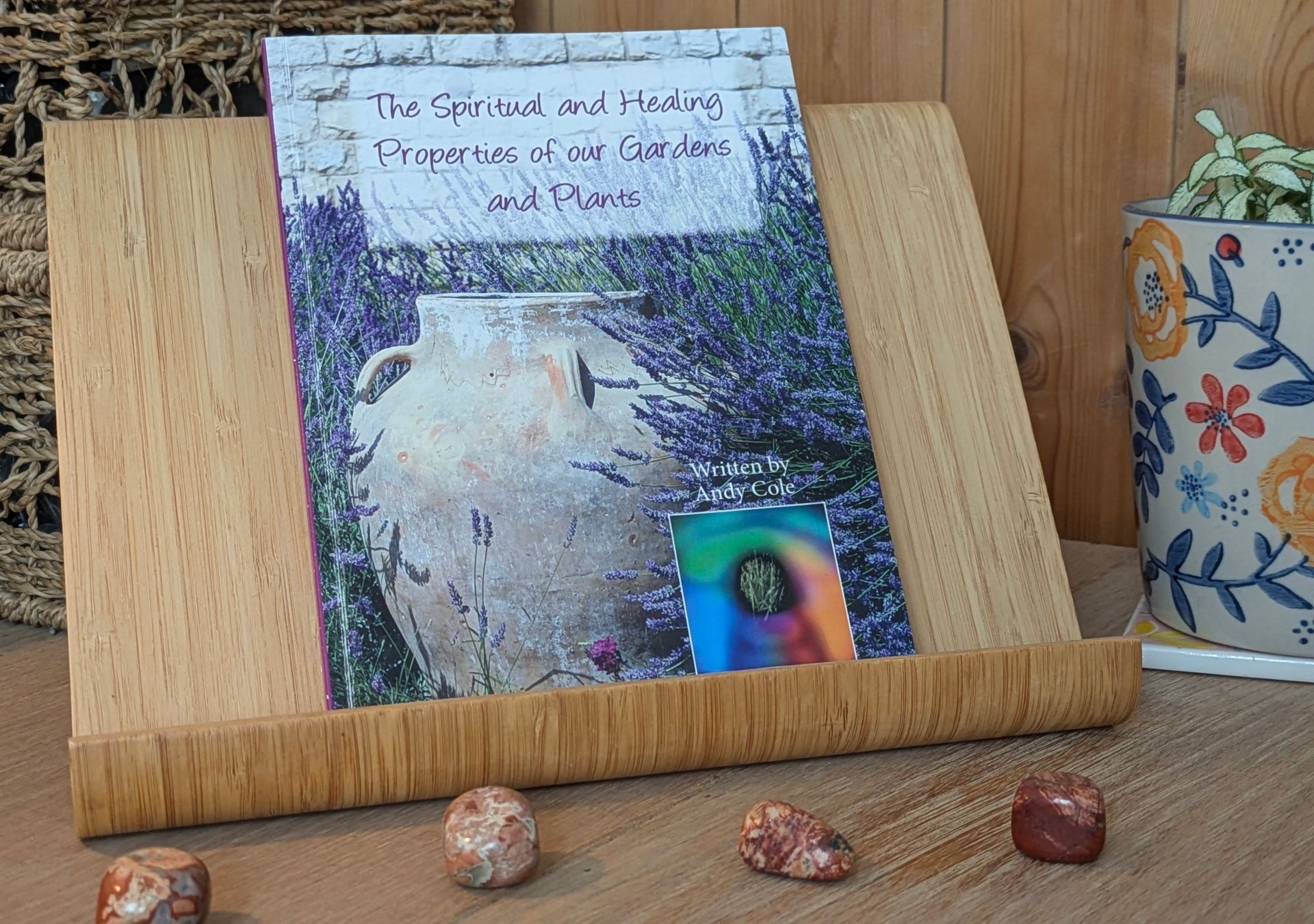
Spiritual and Healing Properties of our Gardens and Plants by Andy Cole LCHI
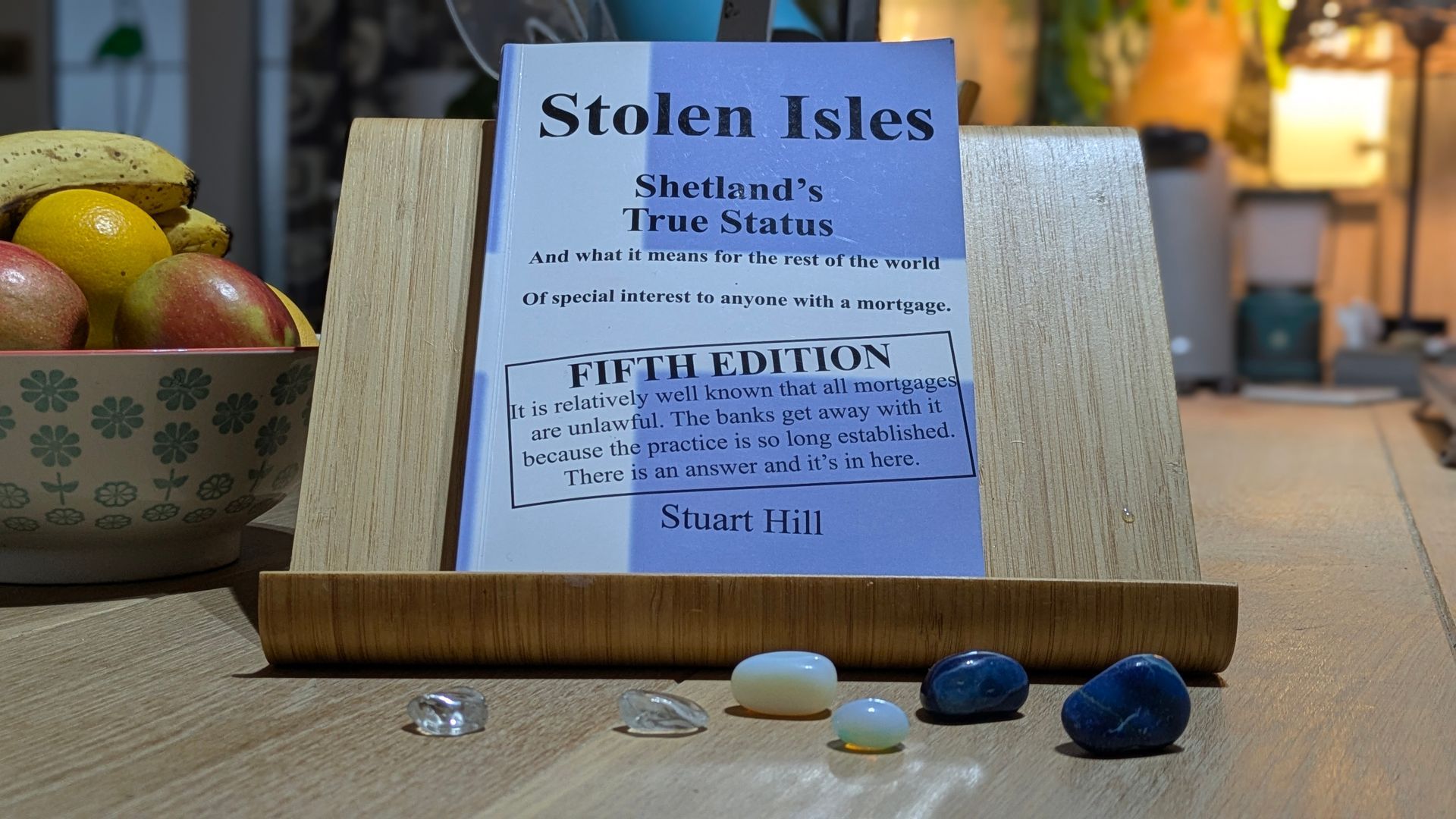
Stolen Isles by Stuart Hill

Joy in Crisis by Swarupa

Seven Sacred Grandfather Teachings

History of the Stannary System (Kernow Assembly and Korts Ownder)

Our Aurora Network

Our Sovereign Future

Who's Jurisdiction - An Interview with Wiremu Williamson