Glyphosate Herbicide - The Hidden Killer
The reason why going naturally 'organic' is more important than ever
On the cusp of the unrest imposed on us nearly three years ago, an alarming revelation was about to break. In the absence of any long-term testing on Glyphosate, a broad-spectrum systemic herbicide and crop desiccant, a litany of harmful effects and death caused by this nasty chemical could no longer be suppressed.
In May 2019, a California Court ordered Monsanto to pay $2.055 billion in damages to two individuals diagnosed with Non-Hodgkin Lymphoma (NHL) over allegations that the company failed to warn consumers that exposure to Glyphosate in Roundup weed killer could cause the disease. Later that year, there were over 17,000 pending prosecutions and we have heard nothing of any progress since then.
Root of all evil
There is also a compelling correlation between the use of Glyphosate (Roundup) and Autism which comes down to the disruption of the sulphate system in the human body. Glyphosate disrupts the development of the brain in early life by affecting the enzymes which attach sulphate to the neurons.
This is possibly only the tip of the iceberg and just as we are concerned about the effects of the COVID jab, we need to be vigilant about the wide spread and long term effects of Glyphosate.
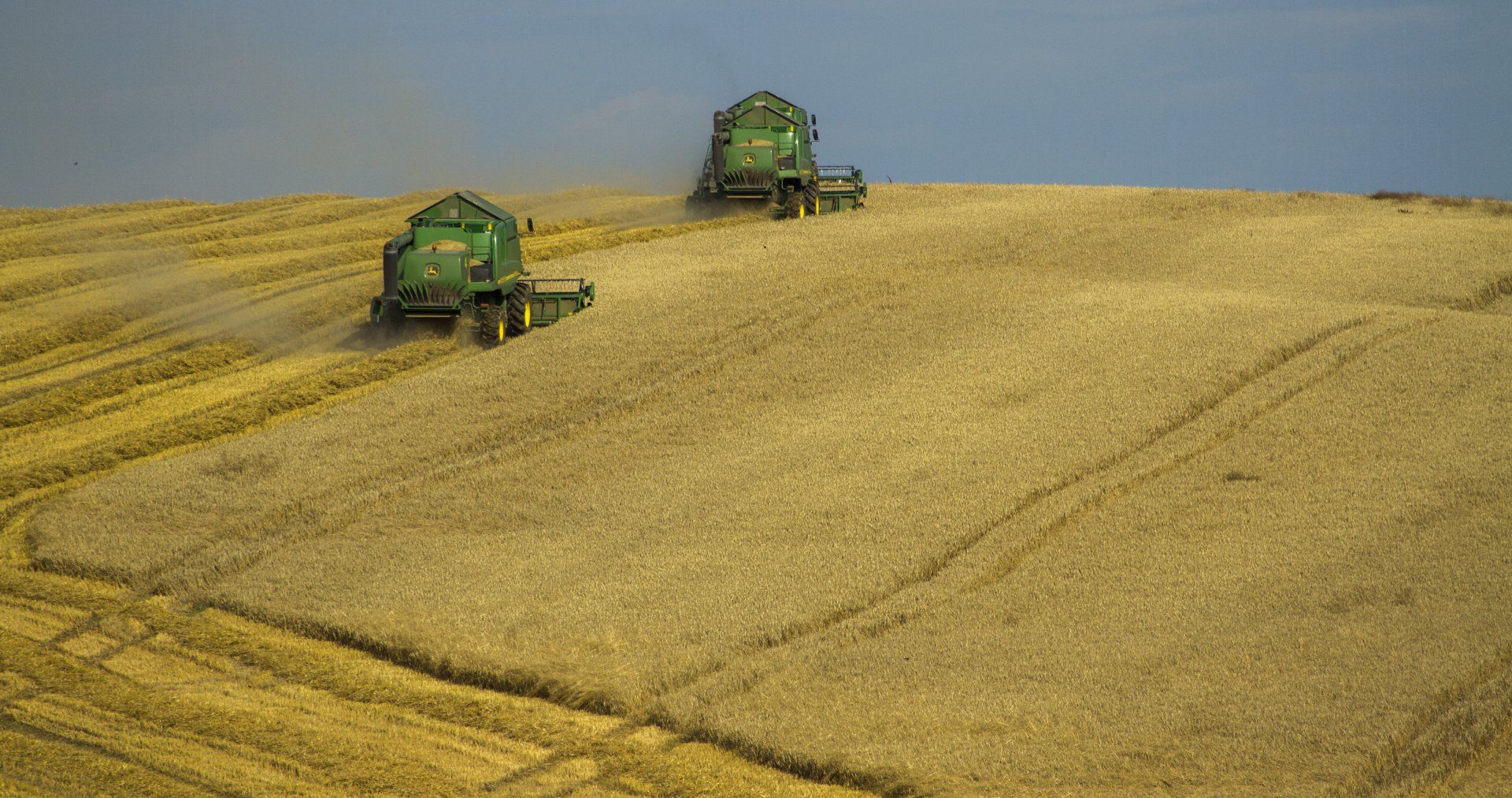
The reason farmers use Glyphosate is to achieve more uniform drying of wheat to ensure the wheat dies in a uniform manner. This makes harvesting more cost effective. However, whilst walking down a footpath alongside a field of wheat a while ago, I noticed that all the growth next to the field was dead. I then looked at the wheat itself and noticed that the rich golden yellow associated with a wheat harvest was more like a dirty grey. The whole field was sick and the harvesters were moving in to do their work.
Going organic
Since that day, I have made my own bread with organic stone ground grain. Stone ground because wheat that is finely ground into flour releases its energy into the body too quickly. This causes a spike in blood glucose levels whereas stone ground flour releases its energy more slowly, much the same as oats.
Protecting ourselves against this poison is not easy and the most obvious is to stay clear of any wheat products which are not labelled 'organic' and we must endeavour to protect children and young people against the harm that manufactured 'cereals' cause in the body.
We are not just talking about wheat as Glyphosate is used widely on many crops such as brassicas (eg., cabbages), crucifers (eg., broccoli) , nightshades (eg., peppers), leafy vegetables and fruits. More concerning, our soil is being contaminated so we must also include root crops on the danger list. I have one rule when it comes to shopping and that is: if it isn’t organic it stays on the shelf.
Saving our bees
First considered as non-toxic or slightly toxic to bees, Glyphosate has been shown to negatively affect the survival, development and behaviour of bees. Research into the effects of Glyphosates on the insect population are scant, perhaps due to the absence of funding, but those that were carried out all pointed to the harm Glyphosate can do to pollinators.
Anyone who knows me well knows that I have a profound fondness for bees and the essential role that they play in the food chain. Bees pollinate over 80% of our crops. There is much research suggesting Glyphosate may be indirectly killing bees via their gut bacteria which is extremely worrying for both the bees and for us.
Anything deadly to bees and plants, is also deadly to all living things (including us) in the long run. If the studies on neonicotinoids, a neuro-active insecticide, is anything to go by, there is a lot more to discover yet and there are also serious questions about the potential harm that Glyphosate-based weed killers can do to soil health.
Friendly farming future
We need a wholescale rethink of our farming systems so that nature friendly farming methods, such as organic farming can become the norm. We also need to find out whether COVID provided a convenient means to divert people’s attention away from the emerging scandal about the rape of our environment and worldwide increase in critical disease.
Tragically, Glyphosates are still being used extensively and this should be a big concern for us and future generations. We are the custodians of this planet Earth and we must stop the use of such poisons by hitting them hard in the wallet.
Do not buy their products and they will eventually learn.
Final note
I would like to thank our Editor, Sue Cartwright, for her help in editing this important article. It's something I have wanted to publish for a while but it was tricky for me to get it to read well. It is invaluable when we can work together as a team and I hope you will all pass on the message.
John Gilbert MD (AV), MCHI, SAC Dip, FGAV, MBCS, MIET, C.Eng., LCGI
Co-founder of the Community Assembly of the British Isles
Community Assembly Facilitator
Community Peace Constable
Community Light Brigade
Further Reading
Cholesterol is Good For You! by John Gilbert
To D or Not To D by John Gilbert
Cancer Is Not A Disease To Fear by John Gilbert
Optimising Our Natural Repair Mechanism by John Gilbert
The Myth of Spreading Infection by John Gilbert
About John
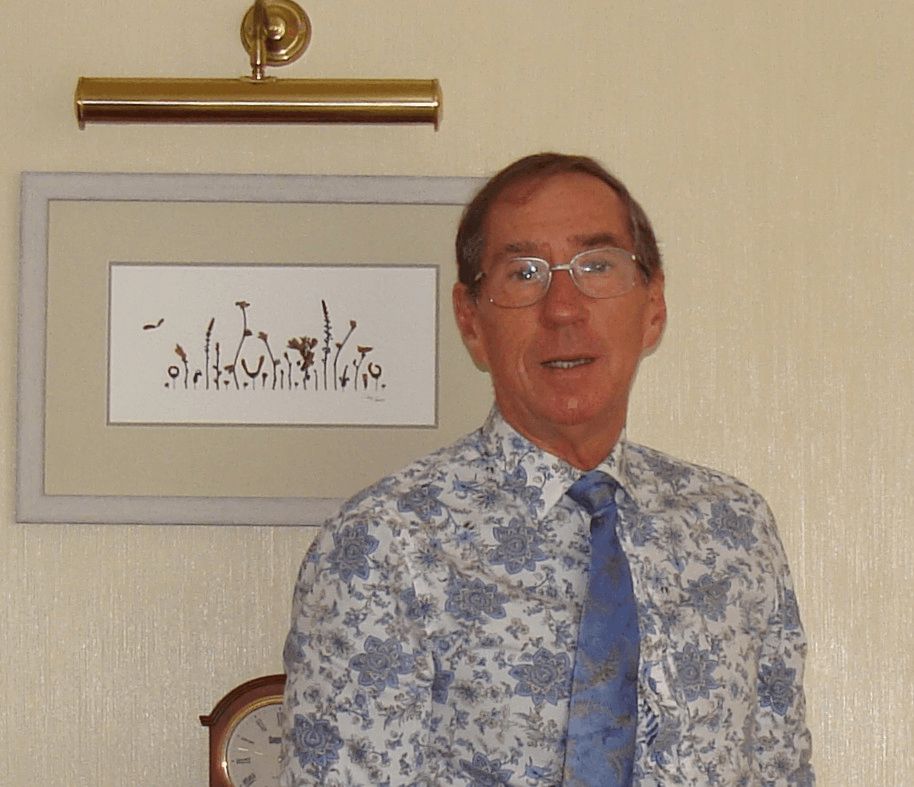
A technician for the RAF before working in the boat building industry and obtaining degrees in marine engineering and electrical and mechanical engineering before achieving a Masters Degree in Information and Communications Technology. Studied Homeopathy in my late 30s after being crippled with arthritis and led me to became a qualified Homeopathic Practitioner. I went on to study Indian and Chinese medicines, Ayurvedic Medicine and Cellular Medicine over the years and became a qualified Master Herbalist before studying with Dr Matthias Rath who was a student of Linus Pauling. I have been a runner of long distances since 8 years of age, and remain competitive at the age of (nearly) 72.
John co-founded the Community Assembly of the British Isles in May 2020 with Claire Baker and Susan Carruthers.
If you enjoyed this post, please share or forward to a friend - thank you!
Guided by Natural Law
Spiritual and Healing Properties of our Gardens and Plants by Andy Cole LCHI
Stolen Isles by Stuart Hill
Joy in Crisis by Swarupa

Seven Sacred Grandfather Teachings

History of the Stannary System (Kernow Assembly and Korts Ownder)

Our Aurora Network

Our Sovereign Future

Who's Jurisdiction - An Interview with Wiremu Williamson